Two chargers can have the same USB-C socket and deliver very different results. Understanding power requirements, charging protocols and port sharing helps you choose a useful charger without paying for a bigger wattage number than you need.
Confirm device requirements, power-sharing table and cable rating.
Check the device before the charger
Find your phone, tablet or laptop manufacturer's charging specifications. Look for the input power range and the charging standard supported, not just the number printed on the old power brick. A USB-C connector alone does not guarantee the fastest charging method. Some devices have proprietary fast-charge features that are only available with specific accessories.
Think of wattage as a capacity, not a demand
A charger labelled with a higher maximum output generally does not force that whole amount into a properly compatible device; power negotiation and device limits control delivery. What matters is that the charger supports the relevant profile, has enough capacity and comes from a reputable supplier. Follow the device maker's instructions if it requires a specific power adapter.
Count the ports you really use together
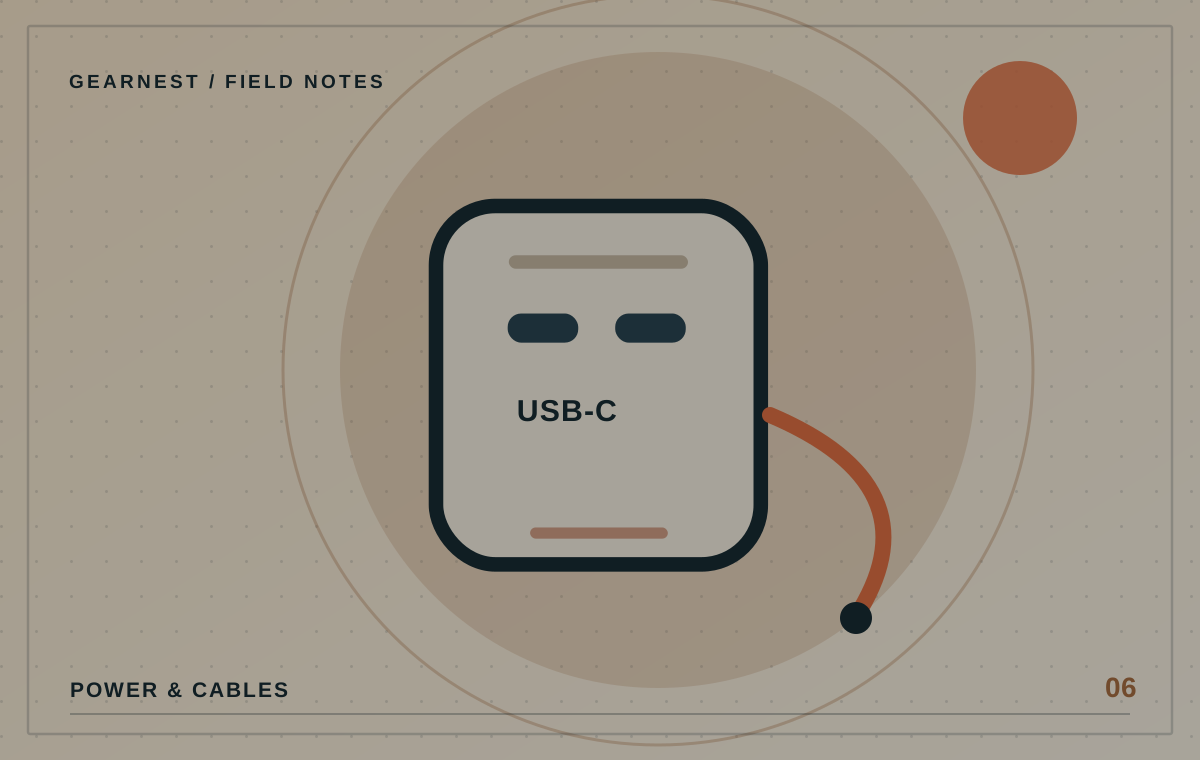
Multiport models often divide their total output when more than one device is connected. A charger advertised at 100 W might not deliver its maximum through every port simultaneously. Read the output distribution table or manufacturer's documentation. Imagine the real combination you charge—perhaps laptop plus phone—and check that pairing rather than the biggest headline number.
Don't overlook the cable
A cable can limit charging power or support different data features. Check the manufacturer's stated power rating and whether the cable meets the requirements of your devices. Avoid damaged or unmarked cables, and be wary of vague 'ultra-fast' claims without technical details. For some higher-power USB-C implementations, an appropriately rated cable with electronic identification is needed.
Choose safety and practicality
Look for a product intended for the Australian market with appropriate electrical compliance information, clear specifications and a real warranty contact. Think about outlet clearance, heat and whether folding pins or a long cable suit your space. Avoid using visibly damaged chargers and follow the manufacturer's ventilation instructions. A good charger should be reassuringly boring.
Build a two-device charging scenario
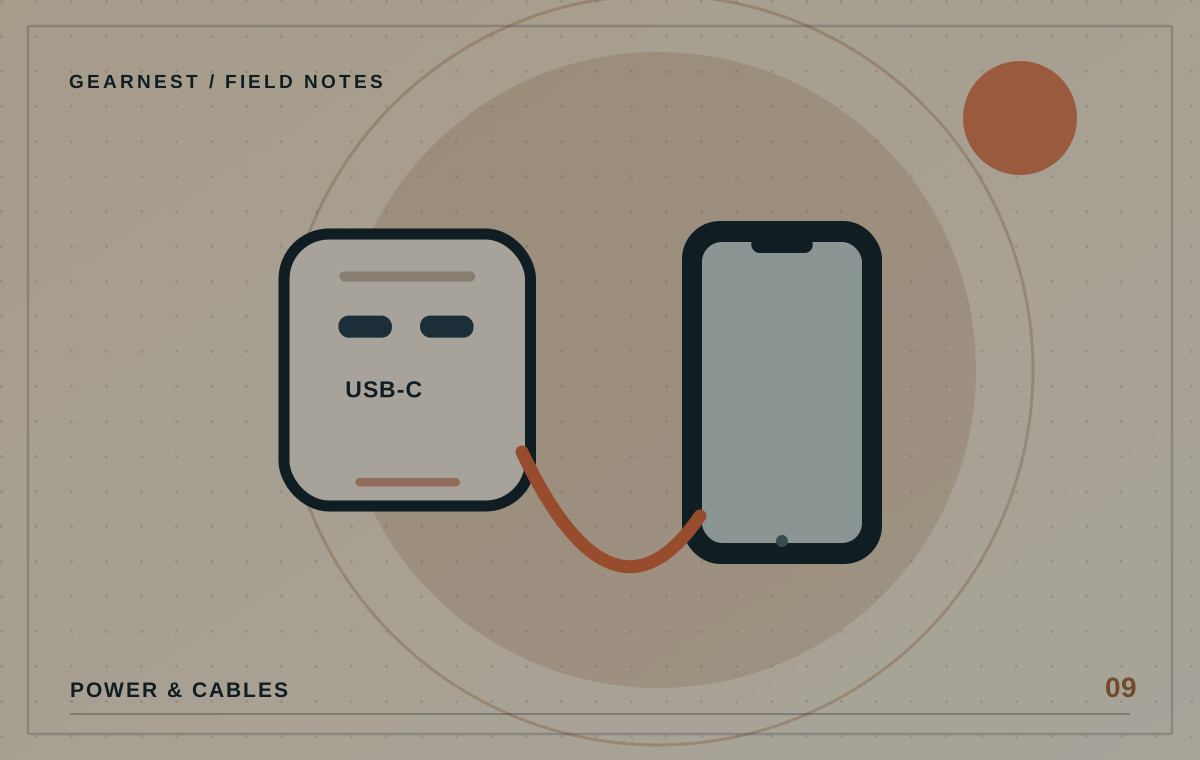
Imagine the busiest moment: your laptop is low, your phone needs power and you only have one wall socket. Write down each device's charging requirement and then look at a charger's two-port allocation table. A design with an impressive single-port rating may still fall short in that combination. If you normally charge the phone overnight instead, a smaller charger might make more sense. The correct comparison is the combination you actually use, not a hypothetical maximum.
Before you choose
- Look up the device charging requirements.
- Read the charger output table for simultaneous ports.
- Confirm appropriate cables and Australian electrical compliance.
Assuming the wattage on the front applies to every port at once.