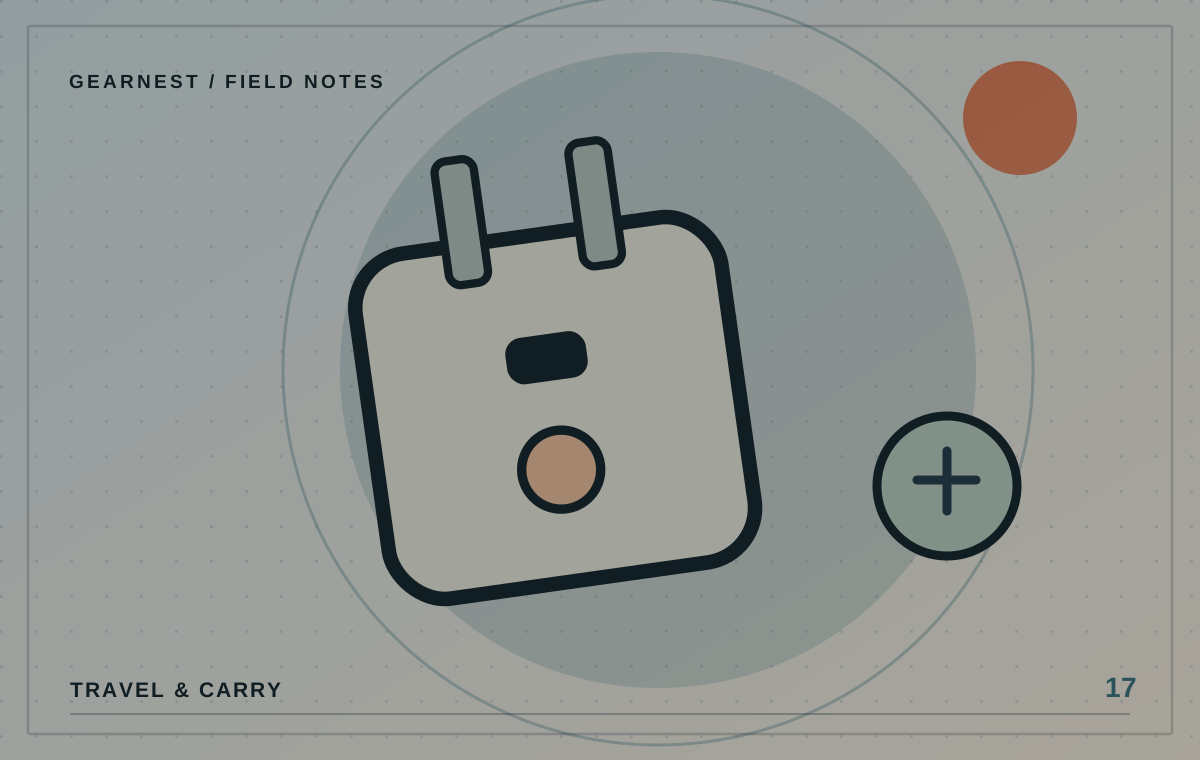
An international power adapter is easy to misunderstand. A travel plug adapter generally lets a plug fit another country's socket; it does not automatically make the electrical supply suitable for your appliance. That distinction is especially important for heating devices and equipment without universal-voltage inputs.
An adapter changes plug shape; confirm voltage and load separately.
Read the input label first
Many modern USB chargers and laptop power supplies accept a wide voltage range, but not all electrical products do. Check the actual label or manufacturer specification of every device you intend to plug in. If the input range does not match the destination's mains supply, a simple plug adapter will not solve the problem. Seek suitable professional advice rather than guessing.
Know what the adapter changes
Most plug adapters change the physical shape or pin arrangement; a voltage converter or transformer is a different product designed for particular electrical applications. Even a converter may be unsuitable for some high-power appliances. Consider whether leaving a hairdryer or other heating device at home is safer and simpler than travelling with complicated equipment.
Confirm destination and transit needs
Research the socket types and electrical supply in your actual destination, including any stopovers where you will use a charger. Some multi-country adapters cover several pin types but have limitations on socket types, grounding and maximum load. Read the manufacturer's supported-country list and technical warnings, not only the map printed on the box.
Check USB ports separately
An adapter with built-in USB ports may have an output rating quite different from the wall charger you use at home. If you need to charge a power-hungry laptop, it may be better to bring its manufacturer-approved charger and a suitable travel plug adapter. Multiport models can split power when several devices are connected.
Choose certified, sensible equipment
Check electrical compliance, build quality, warranty and the destination's relevant requirements. Avoid loose plugs, exposed contacts and stacking several adapters together. Some devices require an earth connection; do not defeat grounding to make a plug fit. When in doubt, ask the equipment manufacturer or a qualified electrician.
Check one appliance at a time
A phone charger may accept the destination's electrical supply while a different travel appliance does not. Create a short list with each item's rated input voltage, frequency where relevant, power requirements and plug type. Then decide whether a suitable plug adapter is enough or whether you need a different appliance or specialist advice. If essential details are missing from the label, do not assume the product is safe because its plug can physically be connected.
Before you choose
- Read device input-voltage and load ratings.
- Check destination socket type and grounding needs.
- Understand whether the product changes plug shape or voltage.
Using an adapter as if it always converts mains voltage.