An organiser is useful only if it takes less effort than the loose bag of cables it replaces. A clever-looking pouch with fourteen compartments can become a puzzle when you are standing in an airport queue. Start with the few items you carry on an ordinary day.
Shop around your actual cables, charger and bag dimensions.
Empty the bag before buying anything
Lay out the charger, cables, earbuds, adapter, pens and other small objects that usually disappear into your bag. Remove duplicates and anything you never use. Group items by when you need them: quick-access essentials, occasional work accessories and travel-only pieces. That rough inventory matters more than the manufacturer's capacity in litres.
Choose openings for the way you reach in
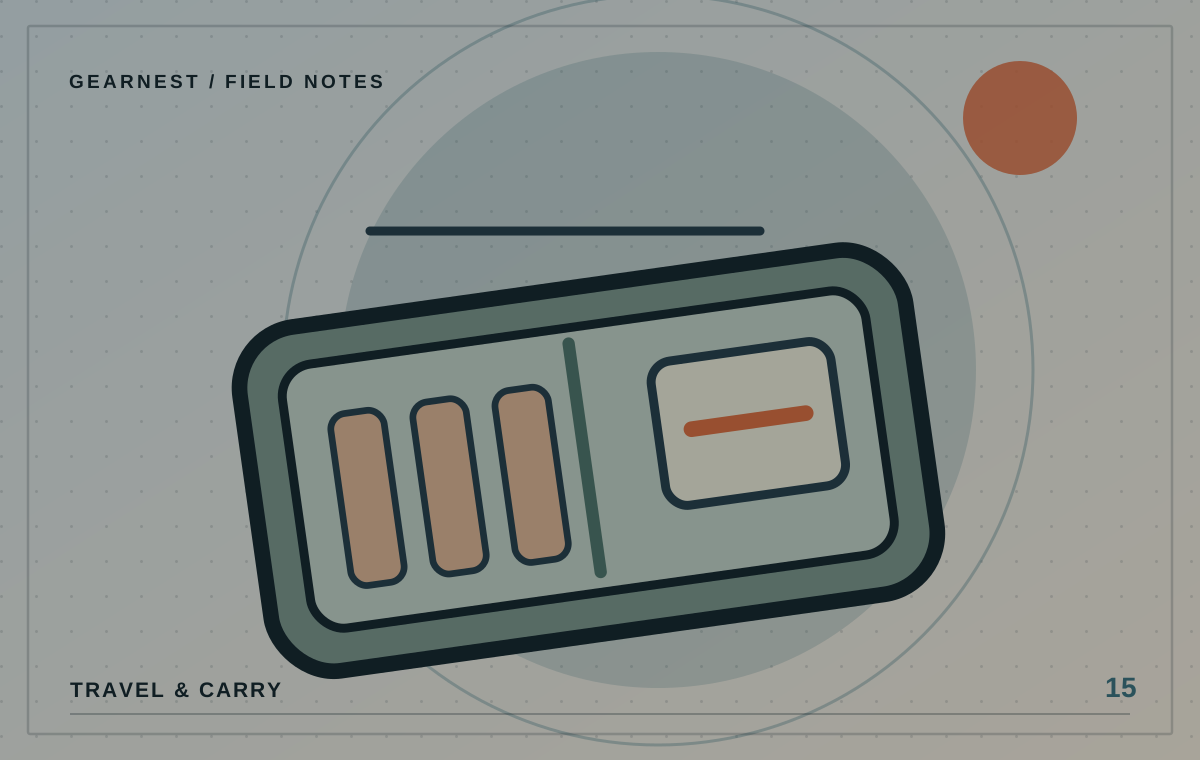
A clamshell pouch can display its contents neatly on a desk, while a slim zip case may be easier to use on a bus or in a crowded seat. Elastic loops are helpful for short cables but can become restrictive around large chargers. Check whether items will remain secure when the bag is inverted, not just when laid flat for a product photograph.
Watch dimensions and weight
Compare the internal size of the pouch with your largest actual device, including plug pins and cable strain relief. External dimensions also matter if it needs to fit a small daypack pocket. Heavy dividers and rigid inserts can take up as much space as the gear they protect. Consider whether you need padding, water resistance or simply an easy-to-clean lining.
Keep travel safety separate from tidiness
A pouch does not override airline battery rules. If it holds a power bank or spare lithium batteries, follow the relevant cabin-baggage requirements and keep the items accessible when required. Avoid putting damaged cables or batteries back in the pouch. Small electronic accessories still need appropriate care and ventilation when charging.
Give every item a repeatable home
When you find a layout that works, return each item to the same pocket after use. Consider a short labelled cable for each recurring job instead of carrying several that look identical. Review the contents every few months. A good pouch should let you find the thing you need with one glance, not just photograph beautifully when perfectly arranged.
Pack it once, then unpack it again
A pouch is useful if you can put everything away quickly without winding cables too tightly. When testing a new organiser, place your items into it, close it, turn it over and open it as you would during a commute. Did anything fall out? Did a large plug deform the case? Could you find the cable you needed without lifting out three others? Those small observations tell you more about suitability than the number of pockets advertised.
Before you choose
- Lay out the items you carry and measure the largest.
- Check how the pouch opens in a crowded seat.
- Confirm it fits your actual bag.
Choosing a rigid organiser that fits fewer items than a simple zip pouch.