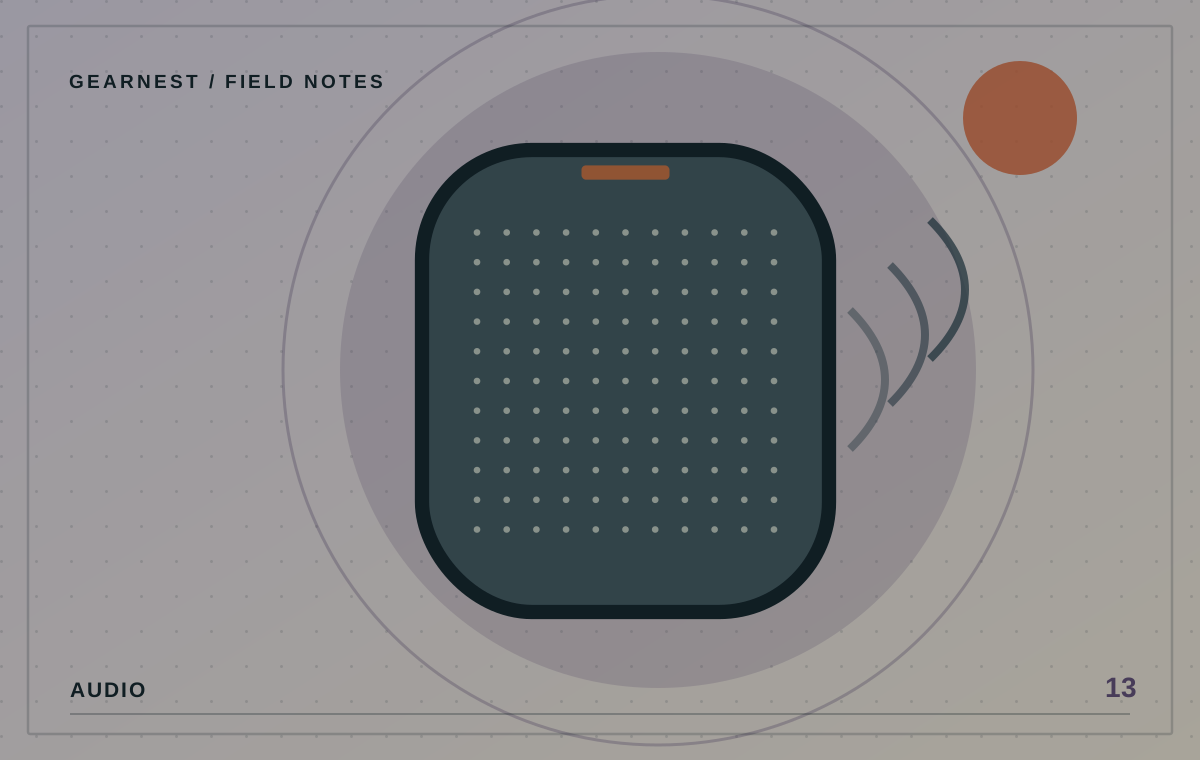
Portable speakers are often sold through dramatic bass claims and outdoor photographs. In use, size, placement, battery management and controls can shape the experience just as much as the sound. Before comparing products, think about the room or setting where it will spend most of its time.
The right size, controls and realistic runtime beat maximum loudness.
Choose the job for the speaker
For a kitchen, stable controls and clear speech may matter more than maximum loudness. For a picnic, carry weight, durable construction and battery life become more important. A speaker intended for a small apartment may not need the output of a much larger model. Consider neighbours and shared public spaces as well as your own listening preferences.
Understand water-resistance claims
An IP rating is tied to specific test conditions and does not mean a device is invulnerable to every type of water, dust or impact. Check the exact rating, manufacturer limitations and whether ports must be covered. Saltwater, heat and age can affect materials. Don't treat a splash-resistant speaker as permission to leave it in the rain indefinitely.
Look at real-world battery assumptions
Published battery estimates may be based on moderate volume, limited bass and particular lighting settings. If you listen loudly or use extra features, runtime may differ. Check charging time, connector type and whether the speaker can play while charging if that matters to you. Avoid taking a manufacturer's longest quoted figure as a guarantee.
Try the controls before the sound modes
A clearly marked volume button and a reliable connection can make an ordinary speaker nicer to use than one with a crowded app. If multiple people share it, consider pairing and switching. Check whether an app is mandatory for basic functions or only unlocks extras. Software support can influence the useful lifespan of connected devices.
Consider the whole carry setup
A loop, handle or stable base may make a speaker easier to use than a small difference in weight. If you travel, protect it against pressure from other items and keep its charging cable accessible. Buy the size you will actually bring along, not the one that looks best in a product shot.
Choose the listening distance
A speaker placed on a kitchen bench serves a different role from one intended for a large backyard gathering. Imagine how far away listeners will be, what they usually play and whether other people share the space. A large speaker may be unnecessary for podcasts at arm's length; a tiny one may struggle to fill a noisy open area. Use that context to judge sound demonstrations and claims, rather than treating maximum volume as the main objective.
Before you choose
- Choose the setting and carrying weight first.
- Read the precise water-resistance limitations.
- Compare battery claims under realistic listening conditions.
Treating a water-resistance rating as permission for any outdoor conditions.